The Impact of the Single-Use Vape Ban
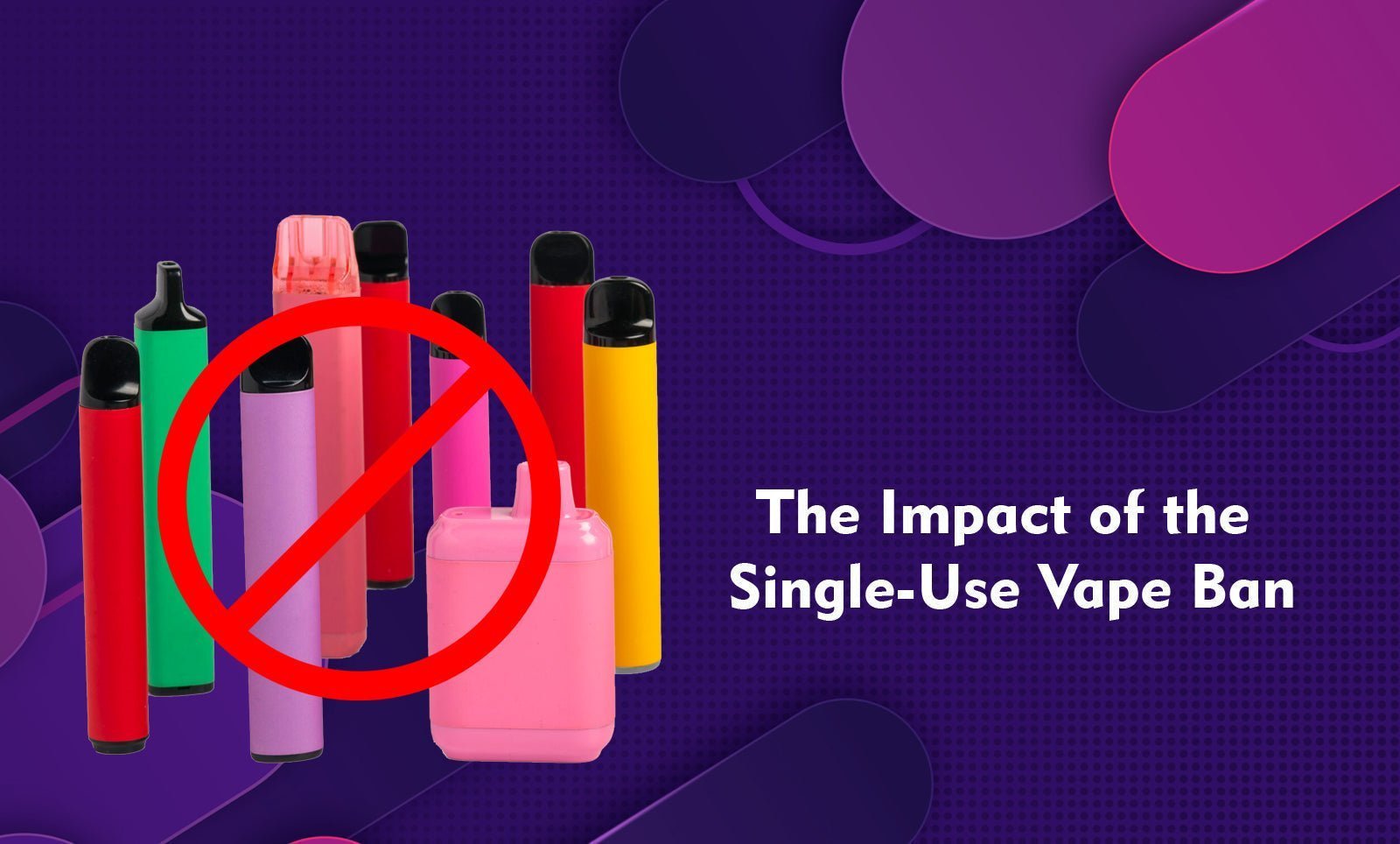
The UK’s ban on single-use vapes which came into force on 1 June 2025 is one of the most significant shifts in nicotine-product regulation in recent years. The change was driven by public-health, environmental and safety concerns, and it’s already reshaping retail shelves, user habits, and industry supply chains.
Why the ban happened
Policymakers cited three main problems with single-use vapes: rising youth use (linked to flavouring and child-friendly designs), vast amounts of electronic waste and litter, and safety concerns (battery fires from discarded devices). The government made the sale and supply of single-use vapes illegal from 1 June 2025, covering both nicotine and non-nicotine disposables, and requiring that legally sold devices be rechargeable, refillable and have replaceable coils.
Must Try E-Liquids : Ruthless E-liquids | Hayati Pro Max E-liquids | Kingston E-liquids | Doozy Vape Co. E-liquids
Immediate effects on retailers and stock
Retailers faced a sudden need to change inventory practices. The law banned not only sales but also stocking with the intent to sell, which forced many small shops and online sellers to either return unsold disposables to suppliers, safely recycle them, or dispose of them under specialised waste routes. Guidance from government and enforcement bodies made clear that businesses must arrange proper recycling and should not encourage consumers to “stockpile” due to fire and environmental risks.
Practical knock-on effects:
-
Margin pressure: disposables had been high-margin impulse buys; replacing that income requires new product lines and marketing.
-
Compliance costs: logistics for returns, recycling and training staff about new product categories add cost and admin.
Public-health and youth-use implications
The ban targets youth uptake by eliminating the most attractive, brightly-packaged, flavoured single-use devices that are often cheap and easy to conceal. While banning disposables removes one pathway into nicotine for some young people, public-health bodies warn of two potential pitfalls:
(1) a shift to illicit disposable imports unless enforcement is strong, and
(2) some adult disposable users who rely on the format for quitting smoking might find the transition disruptive.
Authorities hope that by keeping legitimate, refillable alternatives accessible, overall harm will fall.
Environmental impact - less litter, clearer disposal routes
Disposable vapes produce huge volumes of electronic and plastic waste, batteries, circuit boards and mixed polymers that often end up in general litter or landfill. The ban is explicitly an environmental intervention: it reduces single-use e-waste and ties into new WEEE (Waste Electrical and Electronic Equipment) routes created for vapes, encouraging manufacturers and retailers to support take-back and recycling. Analysts estimate substantial reductions in litter and battery-related fires if compliance and recycling systems scale effectively.
What consumers should expect
For vapers used to disposables, the practical transition involves picking a rechargeable, refillable device and learning to top up e-liquid or replace coils. That’s slightly more effort up front, but reduces cost per puff and waste long term. Importantly: don’t stockpile disposables — storing many lithium batteries at home raises fire risks and may fall foul of guidance.
Alternatives on the market examples from The Vape Giant
Many retailers moved quickly to highlight “disposable alternatives” reusable pod kits and refillable devices that mimic the ease of disposables. The Vape Giant is a good example of a retailer that pivoted its product pages and collections to guide customers toward compliant products.
Examples you’ll find there:
-
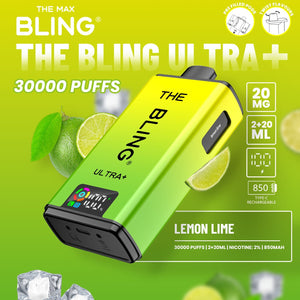
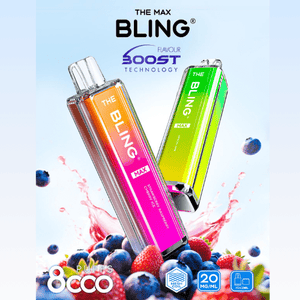
Disposable vape alternatives collection: positions devices like the Crystal Prime, Bling Ultra Twist and The Crystal Bling Ultra Plus 30k Prefilled Vape Kit as longer-life options that keep the easy user experience while being rechargeable and (in most cases) refillable. These are pitched as “smarter” alternatives — more puffs, replaceable coils or refillable pods and less waste.
-
Popular refillable pod kits and pre-filled pod systems: The site explains the difference between true single-use disposables and refillable pod kits, and groups devices by puff capacity and user needs, which helps former disposable users choose an equivalent device.
-
Brand examples: While The Vape Giant historically listed many disposable brands (e.g., Elf Bar, Crystal bling, Elux), their “alternatives” and guide pages now highlight rechargeable kits and pre-filled pod options as the recommended path forward.
Economic impacts for wholesalers and manufacturers
Manufacturers that specialized in cheap, single-use units have to redesign products (rechargeable battery systems, refillable liquid reservoirs, replaceable coil heads) and rework supply chains. Wholesalers face returns, repackaging and new certification needs. Some niche suppliers may pivot to high-capacity, refillable “one-device” models; others risk exiting the market or shifting sales overseas. Enforcement at ports and against illicit imports will determine how much of this market displaces into the black market.
Enforcement and the illegal market risk
A well-resourced enforcement program at borders and local trading standards is crucial. Reports and commentary leading up to implementation warned of a potential surge in illegal imports and suggested that a lack of affordable legal alternatives could encourage black-market sales. The UK has since strengthened penalties and introduced tracking and registration measures to help legitimate businesses and clamp down on illicit supply.
Where the policy could succeed and where it may fall short
Success factors:
-
Availability and affordability of robust refillable alternatives (retailers like The Vape Giant play a role here).
-
Strong border controls to stop illegal disposables.
-
Clear recycling and take-back infrastructure to neutralize the environmental problem.
Risks:
-
A thriving illicit market if enforcement lags.
-
Disruption for quitters who relied on disposables’ simplicity, messaging from health services needs to be clear that rechargeable, refillable devices remain legitimate tools for smoking cessation.
Bottom line for vapers and retailers
The single-use vape ban is a major regulatory reset designed to protect young people, reduce waste and cut safety risks. For responsible retailers, it’s a call to pivot: promote refillable, rechargeable systems; set up safe recycling; and educate customers. For vapers, the change nudges users toward devices that are slightly more involved but cheaper over time and much kinder to the environment. Retailers like The Vape Giant already offer clear “disposable alternatives” collections to help that transition.
Buy Disposable Vapes Alternatives : IVG Pro 10K Big Puffs Vape Prefilled Pod Kit | Hyola Ultra 30k Prefilled Pod Vape Kit | Hyola Pro Max 8000 Prefilled Pod Kit | IVG Smart Max 10k Prefilled Pod Kit