The environmental cost of vapes - and what recycling can realistically fix
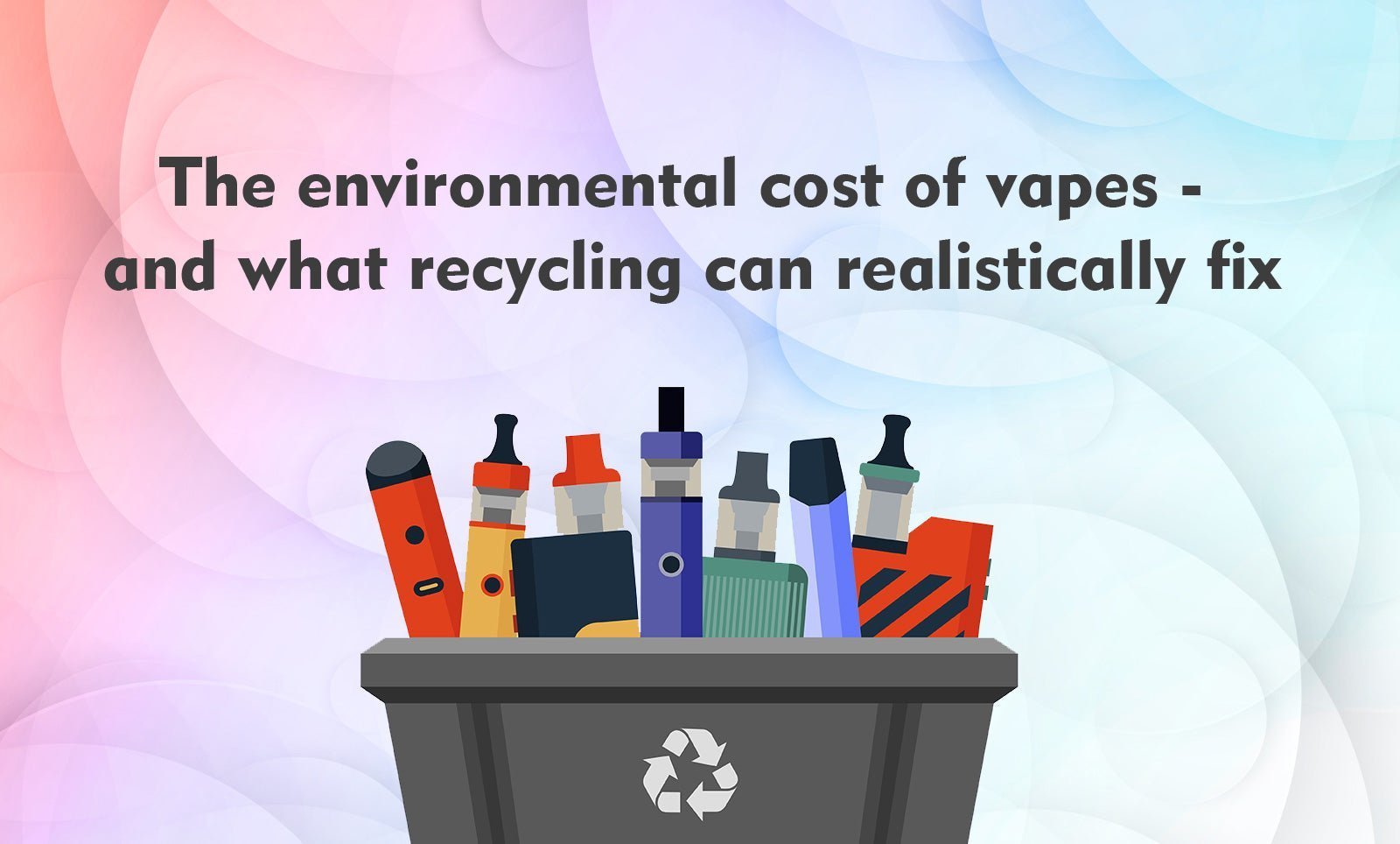
The rise of vaping over the last decade brought a promise: a cleaner, smoke-free alternative to cigarettes. What it didn’t promise and what’s only recently become impossible to ignore, is the environmental aftermath. From single-use plastics and nicotine-contaminated waste to tiny lithium batteries that can start fires in bins, vaping products create a complicated waste stream that strains recycling systems and harms ecosystems.
What’s in a vape and why that matters for waste
Modern vapes - whether disposable devices, prefilled pods or refillable kits are not just plastic shells. They typically contain a mix of materials: plastics, metals (including heating mesh coils), printed circuit boards, e-liquid residues (often nicotine salts), and a small lithium battery. That combination makes them hard to recycle through ordinary household streams: the mixed materials require disassembly and separate treatment, and the lithium cell creates a fire and contamination risk if crushed or shorted in the wrong place. A recent academic scoping review lays out these issues clearly: pods kits and disposable devices are a source of persistent plastic waste and include components (metals, batteries, e-liquid contamination) that complicate straightforward recycling.
Scale of the problem: the UK example
To appreciate the scale: in the UK alone it has been estimated that millions of vapes are binned every week, a figure often quoted is over 8 million devices per week, many of them disposables that were thrown away instead of processed correctly. That’s plastic, battery and toxic residue entering general waste at a very high rate. The same pressure is being felt in other markets, which is why governments and retailers are starting to act.
Environmental and health risks from improper disposal
There are three main, concrete harms from poor disposal:
1. Plastic & chemical pollution. Vapes add non-biodegradable plastics and nicotine residues to landfills and litter streams. Nicotine salts are toxic to some organisms and can leach into waterways.
2. Heavy metals and toxic components. Studies have found that some disposable devices can release heavy metals (lead, nickel, antimony) during use and those same metals are a contamination risk if devices break down in soil or water. Recent lab analyses have raised alarms about toxic metal levels in certain disposables.
3. Battery/fire risk. The lithium cells inside many vapes can short and ignite if crushed, compacted or damaged in a general waste stream, creating hazards for waste collection crews and recycling facilities. This practical danger has shaped policy responses.
Must Try The Crystal Bling Vape: Crystal Bling 6000 Puffs Prefilled Pod Vape Kit | Crystal Bling 12000 Puff Prefilled Pod Vape Kit | Crystal Bling Pro Ultra 18k Prefilled Pod Vape Kit | Crystal Bling Shisha 25000 Puffs Prefilled Pod Vape Kit
Policy and retail responses- recycling rules are changing
Governments and industry groups have begun to respond because the waste stream is both large and hazardous. In the UK, new regulations (and retail guidance) have pushed retailers to offer vape take-back or recycling options and to stop selling some single-use formats. Industry guidance documents explain how convenience stores and vape retailers can run safe in-store recycling for vape devices (WEEE/VAPE guidance) to meet legal obligations. That shift means retailers are now legally required to provide safe disposal routes in many places a big structural step toward reducing the problem at source.
What responsible companies are doing - The Vape Giant as an example
Some retailers are explicitly promoting alternatives and recycling information. The Vape Giant, for example, provides a Guide to Recycle Vape on its site and highlights collections of disposable-vape alternatives namely prefilled pod systems and rechargeable kits that produce less single-use waste. Their guidance encourages checking manufacturer programs and using designated battery collection points rather than tossing devices into general waste. For vapers wanting to reduce their footprint, switching from single-use disposables to rechargeable, refillable or prefilled-pod systems (sold as "disposable alternatives" on retailer pages) is a practical first step.
Practical steps for vapers - small actions that matter
If you vape, these actions reduce environmental harm immediately:
-
Do not throw devices in household bins. Treat any device with a lithium battery as a hazardous item.
-
Use retailer or manufacturer take-back schemes when available. Many vendors now accept used devices for safe recycling check the store page or ask at point of sale (The Vape Giant lists guidance for this).
-
Separate batteries (where removable) and take batteries to official battery recycling points; tape terminals to avoid shorting. If the battery is not removable, return the whole device to an approved collection point.
-
Switch to refillable/rechargeable devices or ++ with replaceable coils they produce less single-use plastic and are generally easier to maintain and repair. Retailers’ “alternatives to disposables” collections are a good place to start.
If you’re ready to cut waste from your vape habit, check retailers’ recycling guides and the prefilled-pod/rechargeable collections at stores like The Vape Giant for practical upgrade options.
Refillable Pod Vape Kits : Elux Legend 10ml Nic Salts | Hyola Ultra 30k Prefilled Pod Vape Kit | IVG Smart Max 10k Prefilled Pod Kit